What Is Crohn’s Disease?

About Crohn’s disease

Crohn’s disease is a type of inflammatory bowel disease (IBD) that can cause inflammation anywhere in the digestive tract. Inflammation can cause redness, swelling and pain and is the body’s response to injury or irritation. In Crohn’s disease, it most commonly affects the end of the small intestine and/or the large intestine.

Crohn’s disease can affect the full thickness of the bowel wall. This may cause narrowing (a stricture) and an intestinal blockage, or small openings (fistulas) into the skin, other loops of bowel or other organs. It can also sometimes cause a collection of pus called an abscess.

Managing My Crohn’s Disease or Colitis

What Is Inflammatory Bowel Disease (IBD)?

Supporting Students and Staff During Times of War and Conflict

Supporting University Students and Staff During War and Crisis

When war or crisis intensifies in one part of the world, its effects do not stop at national borders. They enter classrooms, university communities and the daily lives of students and staff whose family, heritage, memories or other ties connect them to the affected places.

Prepared by Refugee Education Australia, this guide calls on universities and education providers to respond quickly, compassionately, consistently and with an awareness of trauma.

Effective support can include academic flexibility, reduced administrative pressure, financial and practical assistance, access to mental-health services, clear and respectful communication, action against discrimination and appropriate referral pathways.

The central message is clear:

Students and staff affected by war should not have to fight to be seen, believed or supported.

They should know that they are not alone.

Prepared by Sally Baker, Refugee Education Australia; Associate Professor Rachel Burke, University of Newcastle; Rana Ebrahimi, Chair of Refugee Education Australia; and John Tran, University of Technology Sydney.

Elder Abuse Prevention Information Session

Everyone deserves respect and dignity as they grow older

Unfortunately, relationships with family members or others around us can sometimes become harmful. Raising awareness and knowing how to seek help are important steps in preventing elder abuse.

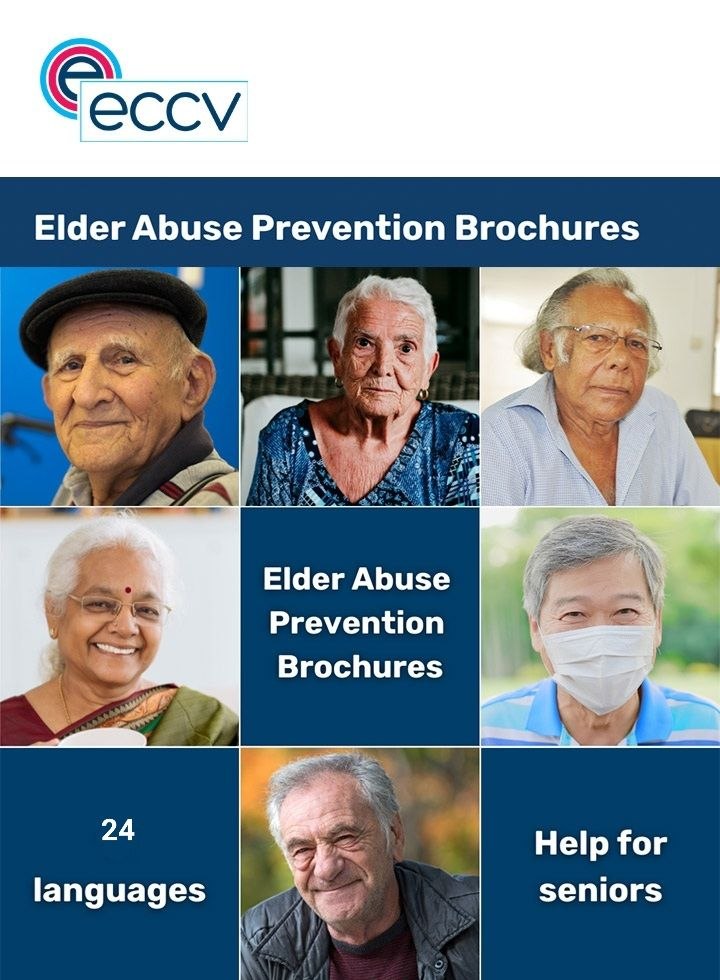
The Ethnic Communities’ Council of Victoria (ECCV), in partnership with Seniors Rights Victoria, has produced multilingual brochures to help older people and multicultural communities access information and support services.

Alongside English, these brochures are available in 24 languages, including Persian. They explain elder abuse, share community members’ experiences and introduce relevant support services.

Please share these resources with family, friends and community members to help raise awareness and prevent elder abuse.

Elder abuse awareness video

Past event: online information session — 17 May 2026

This announcement is retained as an archive. The session date has passed; the original details below are historical information, not an invitation to an upcoming event.

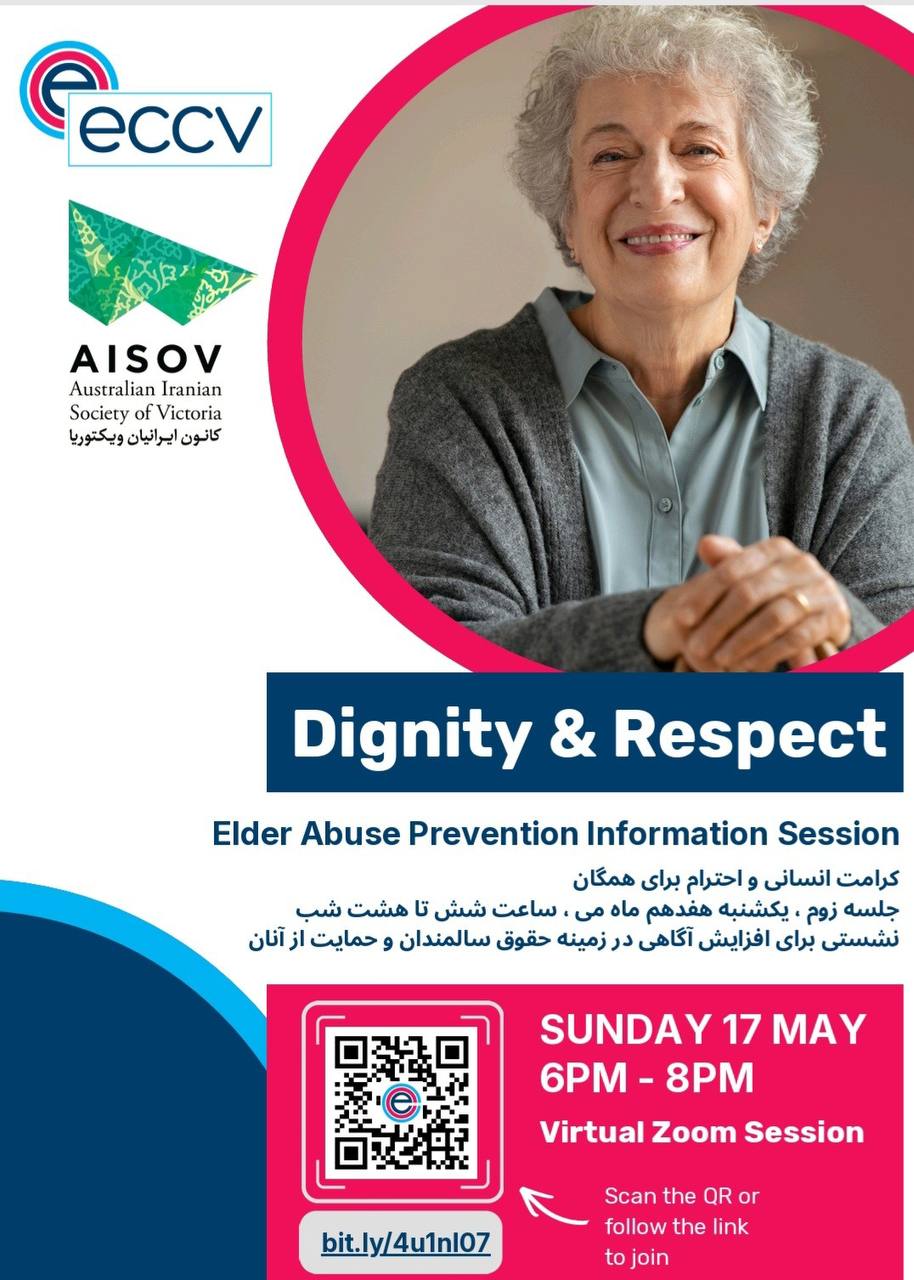
AISOV, in partnership with the Ethnic Communities Council of Victoria, is presenting an online information session about older people’s rights.

📅 Date: Sunday, 17 May 2026
🕕 Time: 6–8 pm
📍 Venue: Zoom

The Zoom link is available through the QR code on the poster.

If you have any questions or would like the direct Zoom link, please contact AISOV on 0468 460 069.

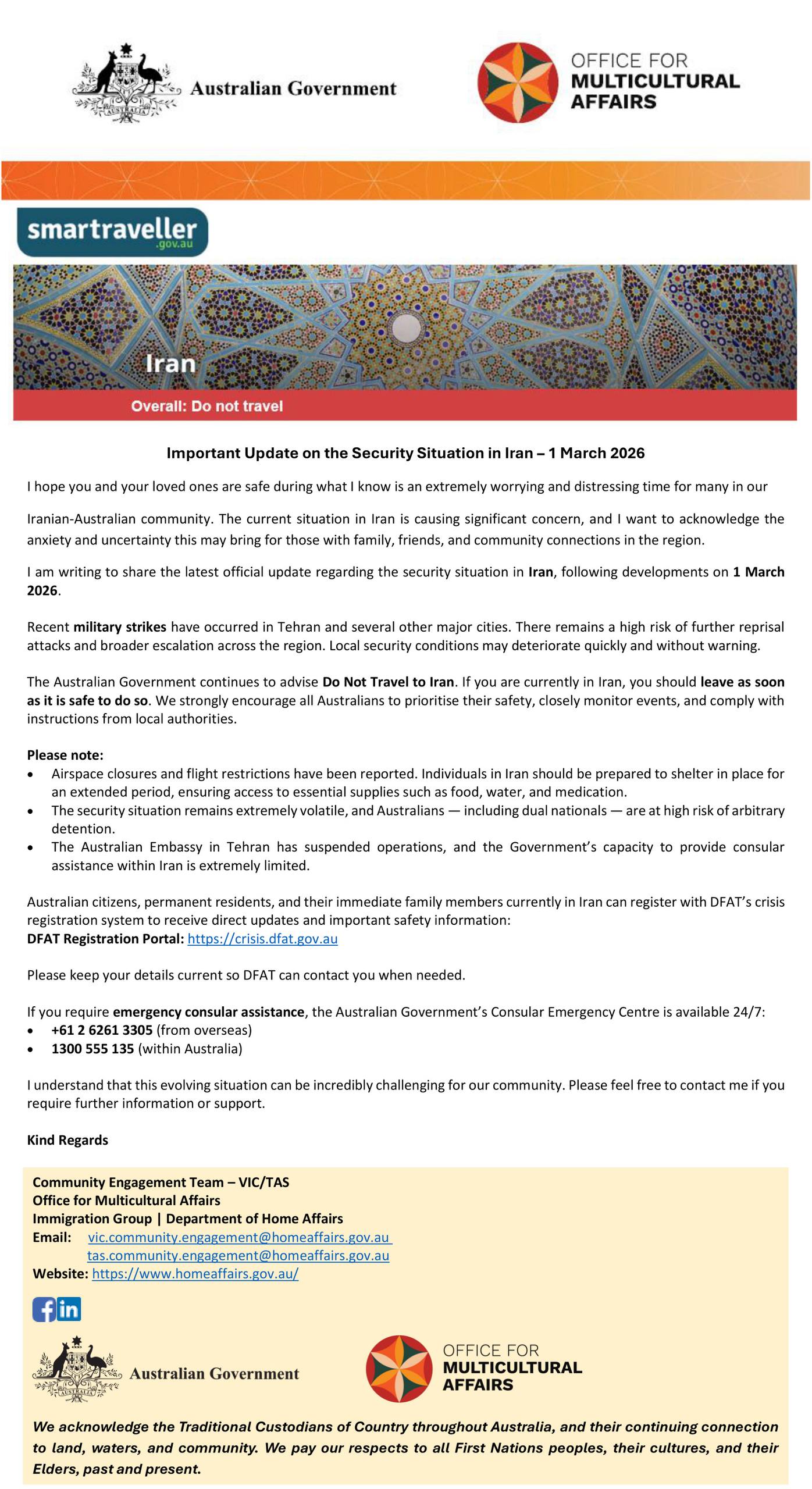
Important Notice for Australians in Iran

Important Notice for Australians in Iran

Australian citizens, permanent residents, and their immediate family members currently in Iran can register with the Australian Government’s Department of Foreign Affairs and Trade (DFAT) crisis registration system to receive direct updates and important safety information.

DFAT Crisis Registration Portal:
crisis.dfat.gov.au

Please ensure your contact details are current so DFAT can reach you if needed.

If you require urgent consular assistance, the Australian Government’s Consular Emergency Centre is available 24/7:

Migration Amendment (2026 Measures No. 1) Meeting

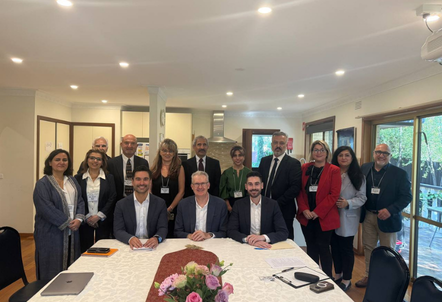
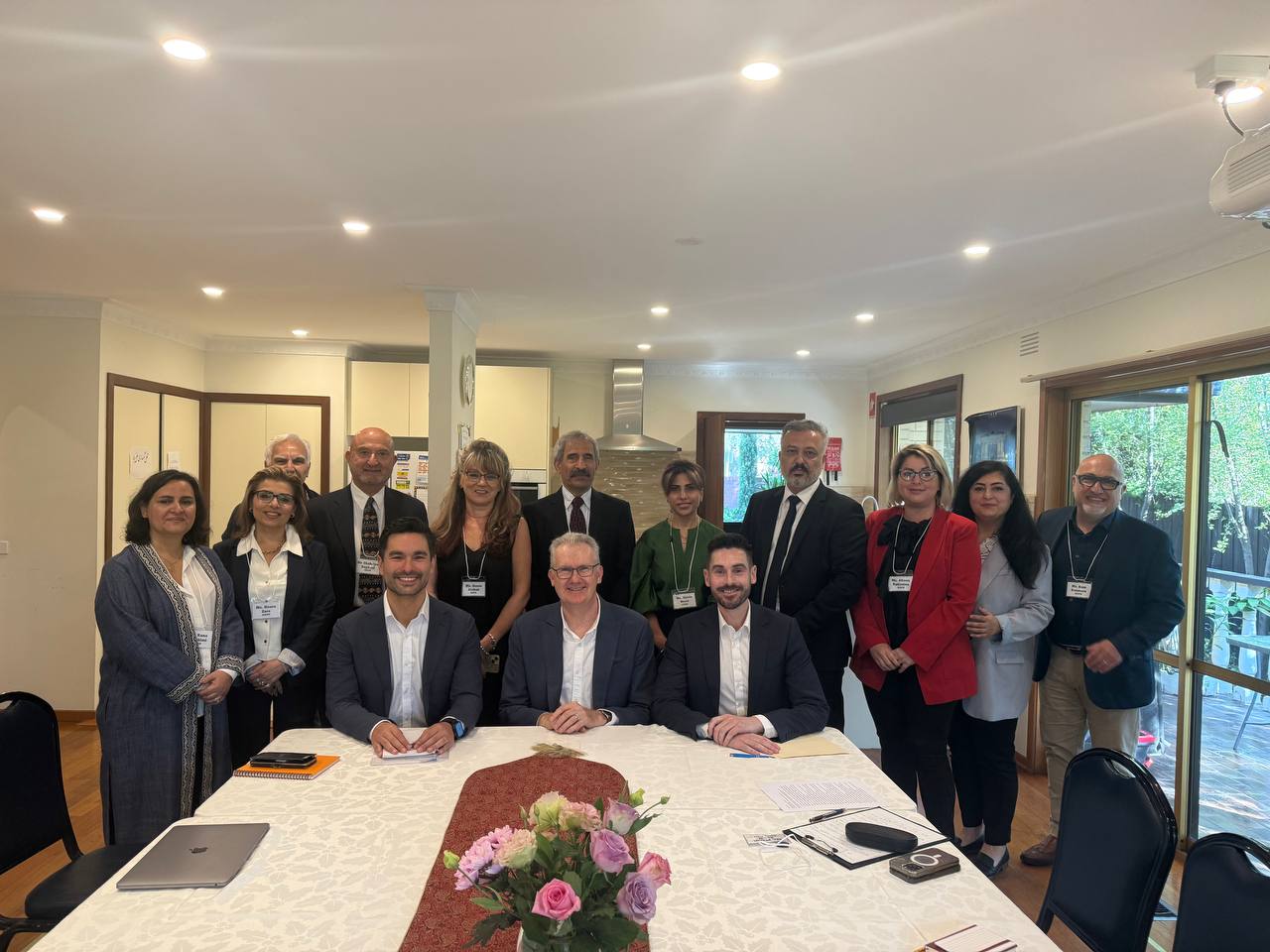
The Hon. Tony Burke MP @tony_burke_au , Minister for Home Affairs,Minister for Immigration and Citizenship, Minister for Cyber Security, and Minister for the Arts, met today with members of the Iranian-Australian community. This session was facilitated by Gabriel Ng MP @gabrielformenzies and Matt Gregg MP @mattfordeakin at the House of Persia @hope_melbourne .

We sincerely appreciate the time and engagement of the Minister and attending Members of Parliament in listening to community concerns and discussing the recent Migration Amendment Act 2026, particularly its impact on temporary visa holders. We also thank the Minister and Members of Parliament for engaging in constructive discussions focused on the community impact of these amendments.

The Minister attentively heard the community’s concerns, and this constructive dialogue will continue. The Minister is considering the perspectives shared as part of ongoing decision-making on these issues.

An Important Discussion About Recent Migration Policy Changes and the Iranian-Australian Community

On Sunday, 22 March 2026, an important meeting was held at the House of Persia. The Hon Tony Burke MP, Minister for Home Affairs and Immigration, attended with Members of Parliament Gabriel Ng and Matt Gregg.

Representatives from the House of Persia management team, AISOV’s management team, a migration lawyer and members of the Iranian-Australian community also took part.

The main purpose of the meeting was to discuss recent migration policy changes and their effect on Iranians, particularly in light of the current situation in Iran and the Migration Amendment Act 2026.

Key points raised at the meeting included:

  • Australian Government migration decisions are based on the information and data available, although access to accurate information from inside Iran is limited.
  • The new measures may significantly affect temporary visas, including Visitor visas (subclass 600) and Student visas (subclass 500).
  • In future visa assessments, demonstrating a genuine intention to stay temporarily will remain a central consideration.
  • About 7,000 Iranian Visitor visa holders are currently outside Australia, and a six-month entry restriction may be imposed in the coming days. Consideration of exceptional circumstances was also discussed.
  • The Minister acknowledged that AISOV is advocating through correspondence with Members of Parliament for these restrictions to be lifted, particularly for parents, and undertook to consider the issue more closely.
  • In response to another question, it was stated that there is presently no plan to increase students’ permitted working hours or introduce special measures similar to those used in some other international crises.

Community representatives also raised concerns about:

  • financial difficulties faced by students because money transfers from Iran are restricted;
  • limited post-study pathways to permanent residence, especially for people aged over 35;
  • the lack of consultation with the community before the changes were introduced; and
  • the need for greater government support to maintain cohesion and solidarity within the Iranian community in Australia.

While some of these matters were acknowledged, several questions remain unanswered. Further clarification and more effective engagement with the community are expected.

Active community participation, responsible advocacy, and attention to both the legal and human effects of decision-making are more important than ever.

Arrival Control Determination

​​​​​​​​​​​​​​​​​​​​​​​​Temporary travel restrictions for Visitor visa holders with Iranian passports

Business Skills Mentoring Program

Business Skills Mentoring Program

This program offers eligible small businesses up to 3 one-hour mentoring sessions with a professional business adviser to be used within 3 months. The sessions provide practical advice to help business owners to build their skills, clarify goals and address challenges. Program eligibility  Businesses that meet the following eligibility criteria are encouraged to submit an expression of interest:
  • be registered in Victoria
  • employ 0–20 employees,
  • be GST registered
  • have held an active ABN continuously from 1 December 2024
  • operate in one of the following sectors:
    • advanced manufacturing and defence
    • health technologies and medical research
    • circular economy
    • digital technologies
    • agribusiness
    • regional tourism.
For more information please go to the Business Victoria website.

Petition for Temporary Relief Measures for Iranian Visa Holders in Australia

Dear community,

At a time when we are standing together and amplifying the voice of the people of Iran, some members of our community in Australia are unfortunately facing serious difficulties. These challenges have added to their anxiety and uncertainty, and they need our support and solidarity.

People living alongside us on temporary visas—including student, graduate, visitor and other visas—whose visas will expire soon need their voices to be heard more than ever. Returning to Iran under the present circumstances would be dangerous and unsafe for them.

Please share this petition with friends, family and other community members, even if they are not personally affected. With a stronger and more united voice, we can ask the Australian Government to provide temporary visa extensions.

Write to Make a Difference

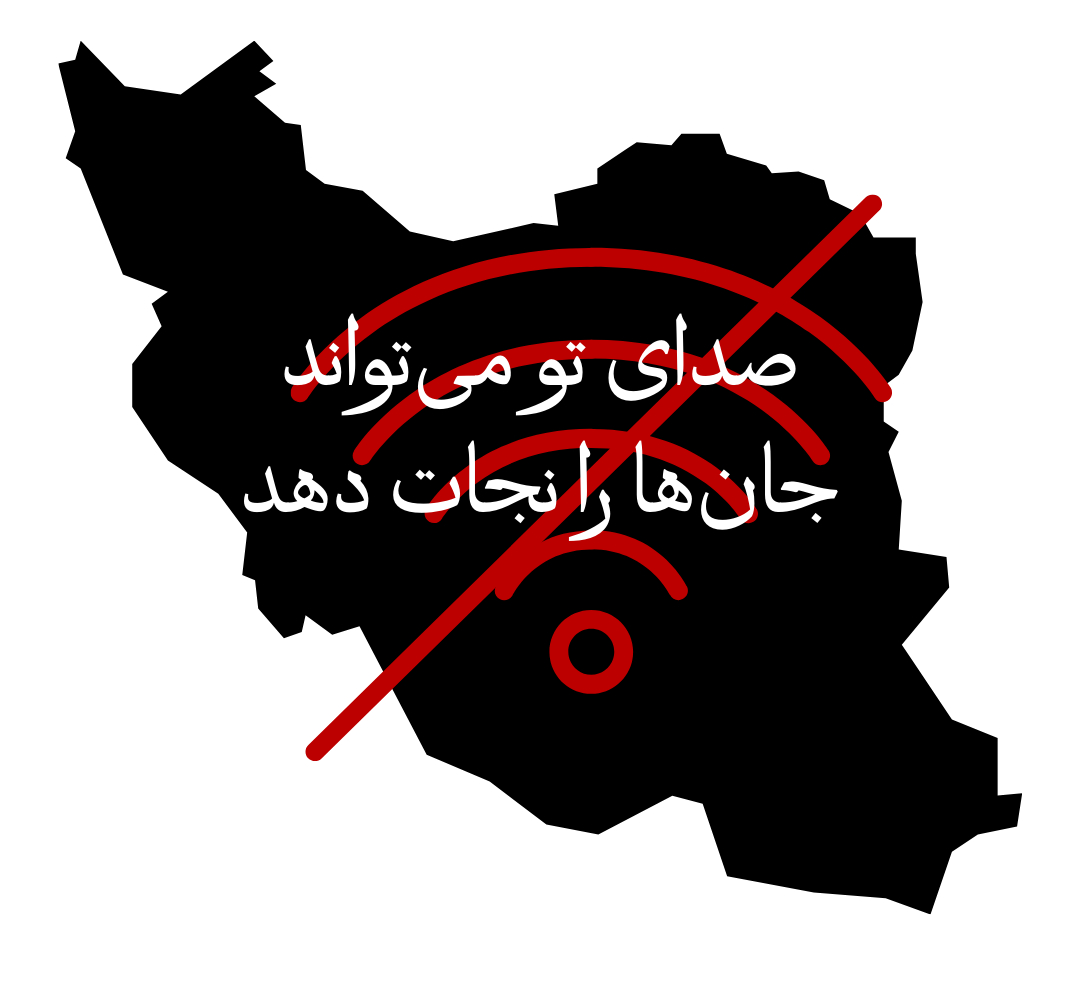
Your Voice Can Save Lives

Who should I email?

A) Federal representatives
To find your federal electorate representative and your state’s senators, visit:
https://www.aph.gov.au/Senators_and_Members

Search for your suburb or postcode to find the appropriate representative and contact details.

B) State representatives
To find your state electorate representative, visit:
https://www.parliament.vic.gov.au/members

Search for your suburb or postcode to find the appropriate representative and contact details.

C) Local government (council)
To find your mayor and councillors, visit your local council’s website and open the “Councillors” or “Our Council” section.

Below is a correspondence list for Australia and Victoria

🇦🇺 Federal Government (Australia)
Prime Minister
Anthony Albanese: pm@pm.gov.au

Minister for Foreign Affairs
Penny Wong:senator.wong@aph.gov.au
Major Federal Political Parties
Australian Labor Party (ALP – Federal)
Australian Labor Party: alp@alp.org.au

Liberal Party of Australia
Liberal Party of Australia: info@liberal.org.au

The Australian Greens
Australian Greens: greens@greens.org.au
🇦🇺 Victoria (State of Victoria)
Premier of Victoria
Jacinta Allan: premier@vic.gov.au
Major Victorian Political Parties (State level)
Victorian Labor Party
Victorian Labor Party: info@vic.alp.org.au

Victorian Liberal Party
Victorian Liberal Party: info@vic.liberal.org.au

The Greens Victoria
The Greens Victoria: office@greens.org.au
Deputy Prime Minister & Minister for Defence – The Hon Richard Marles MP
Defence and national security: Richard.Marles.MP@aph.gov.au
Minister for Home Affairs, Immigration and Citizenship
The Hon Tony Burke MP: Tony.Burke.MP@aph.gov.au

Attorney-General – The Hon Michelle Rowland MP: Michelle.Rowland.MP@aph.gov.au
Governor-General of Australia
Her Excellency the Honourable Sam Mostyn AC:
governor-general@gg.gov.au
Assistant Minister for Citizenship, Customs and Multicultural Affairs
Julian Hill MP: julian.hill.mp@aph.gov.au
Deputy Premier
Hon Ben Carroll MP — Deputy Premier; Minister for Education; Minister for Medical Research:
ben.carroll@parliament.vic.gov.au
Practical Notes (important)
Letter A send to:
  • Premier of Victoria (Jacinta Allan)
  • Victorian MPs you know / your local MP
  • Victorian political parties (state level)
Purpose: Create public and internal pressure so state leadership pushes the federal government.
Practical Notes (important)
Letter B send to:
  • Prime Minister – Anthony Albanese
  • Foreign Minister – Penny Wong
  • Federal party headquarters (ALP, Liberal, Greens)
Purpose: Force foreign policy, diplomatic, and multilateral action.
CC strategy (important)
For both letters:
  • CC at least one opposition party
  • CC Greens
  • (Optional but powerful) CC a reputable journalist or human-rights NGO
This prevents the letter from disappearing quietly.

Guide to Using, Personalising and Sending the Letters

1. What to change—and what not to change

You may change:

  • the name, title and position of the political office-holder;
  • the city, country or electorate;
  • one short local sentence, such as “As a resident of …”.

Do not remove or change:

  • the reference to the nationwide internet and communications shutdown;
  • the use of live ammunition against protesters;
  • the charge of moharebeh and the death penalty;
  • the request for public, urgent and official action.

2. Adjusting the tone for different audiences

  • Conservative politicians: emphasise the rule of law, preventing executions, international obligations and preventing instability.
  • Progressive politicians: emphasise human rights, protection of civilians and accountability.
  • Mayors and local councils: emphasise moral leadership, a public position and pressure on the central government.

3. Who should receive the letters?

  • Local letter: the mayor, councillors, and state or provincial representatives.
  • National letter: the prime minister or president, foreign minister, and relevant parliamentary committees or commissions.
  • Always copy (CC): the foreign-policy office, human-rights committee, and at least one reputable media outlet.

4. Practical sending tips

  • Where possible, send both an email and a formal copy (PDF or printed).
  • Include wording such as “Urgent” or “Immediate action required” in the subject line.
  • Keep attachments to a minimum; a link is better than a large file.
  • If you do not receive a response, follow up after 7–10 days.

5. A short version for people with limited time

If someone has time to send only one paragraph, they should send:

  • the opening paragraph of the letter; and
  • the list of requested actions.

An emotional message or expression of concern on its own is not enough.